
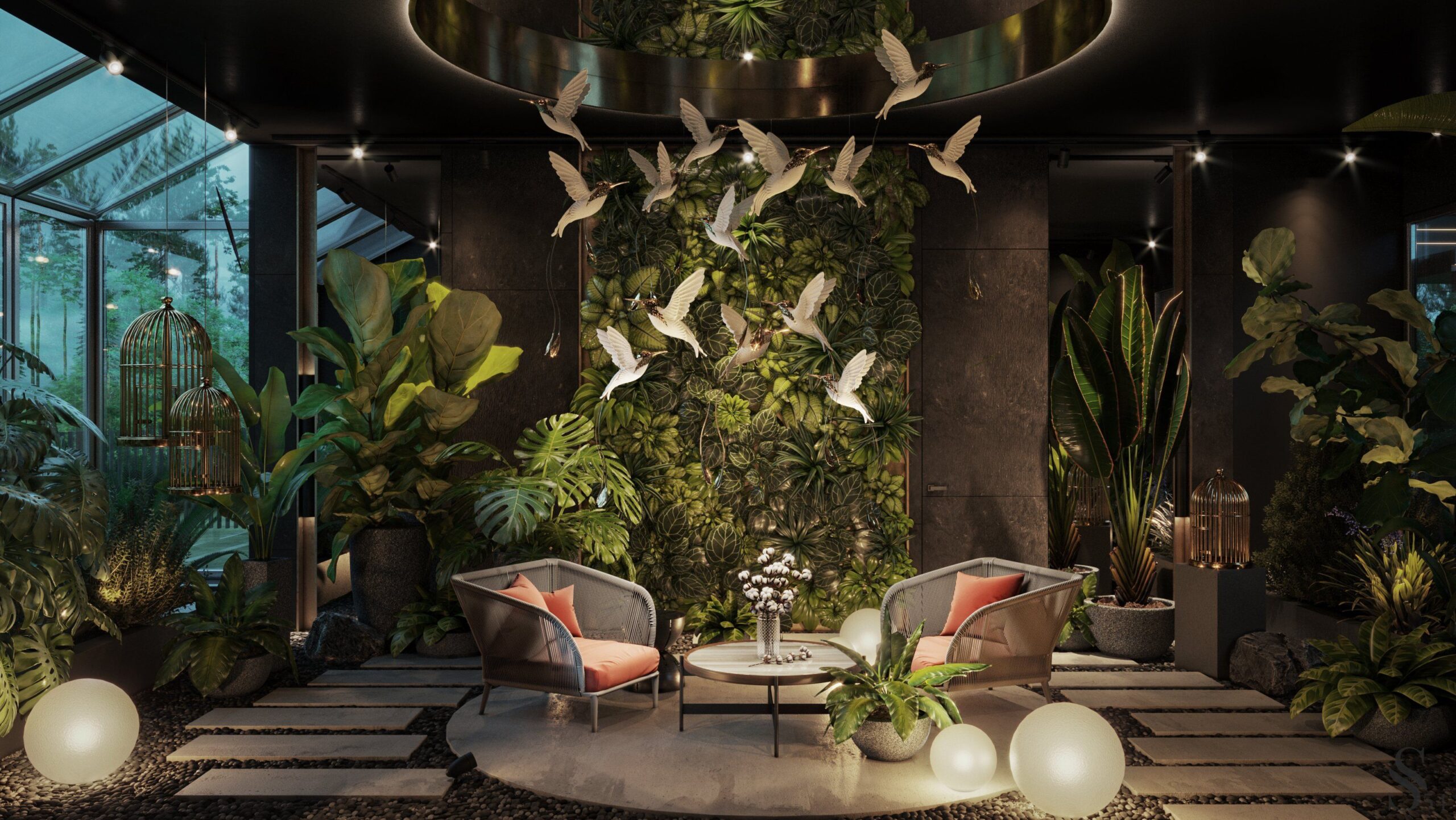
How Interior Environments Impact Mental Well-Being
How Does a Space Make You Feel?
In interior design, the impact of a space goes far beyond colors and furniture. The indoor environment itself plays a powerful role in shaping mood, emotional balance, and overall well-being.
Design today is no longer just about aesthetics—it is about understanding how people interact with their surroundings, and how spaces can support comfort, calmness, and a sense of security.
Designing for the Mind and Body
An interior environment is more than walls and furnishings—it is a carefully considered system of light, sound, color, and airflow.
When these elements are thoughtfully designed, they can significantly reduce stress and mental fatigue. A well-designed space becomes not only visually appealing, but also emotionally supportive—enhancing focus, encouraging creativity, and promoting a sense of ease.
Spaces That Influence Mood
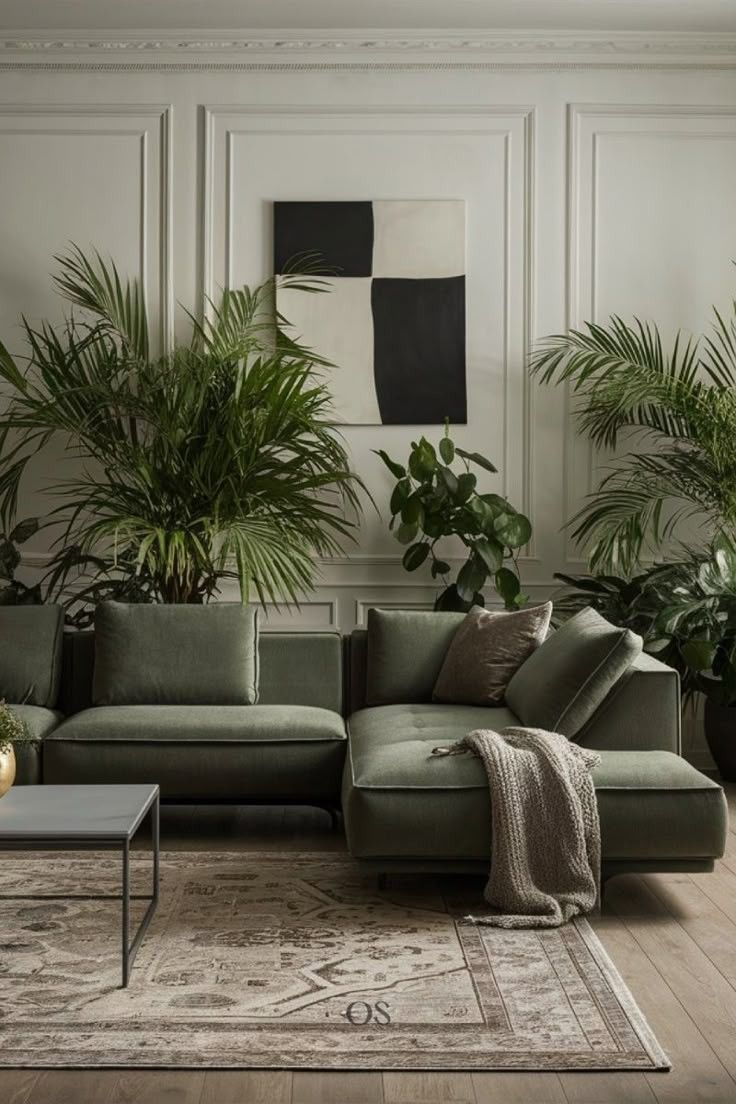
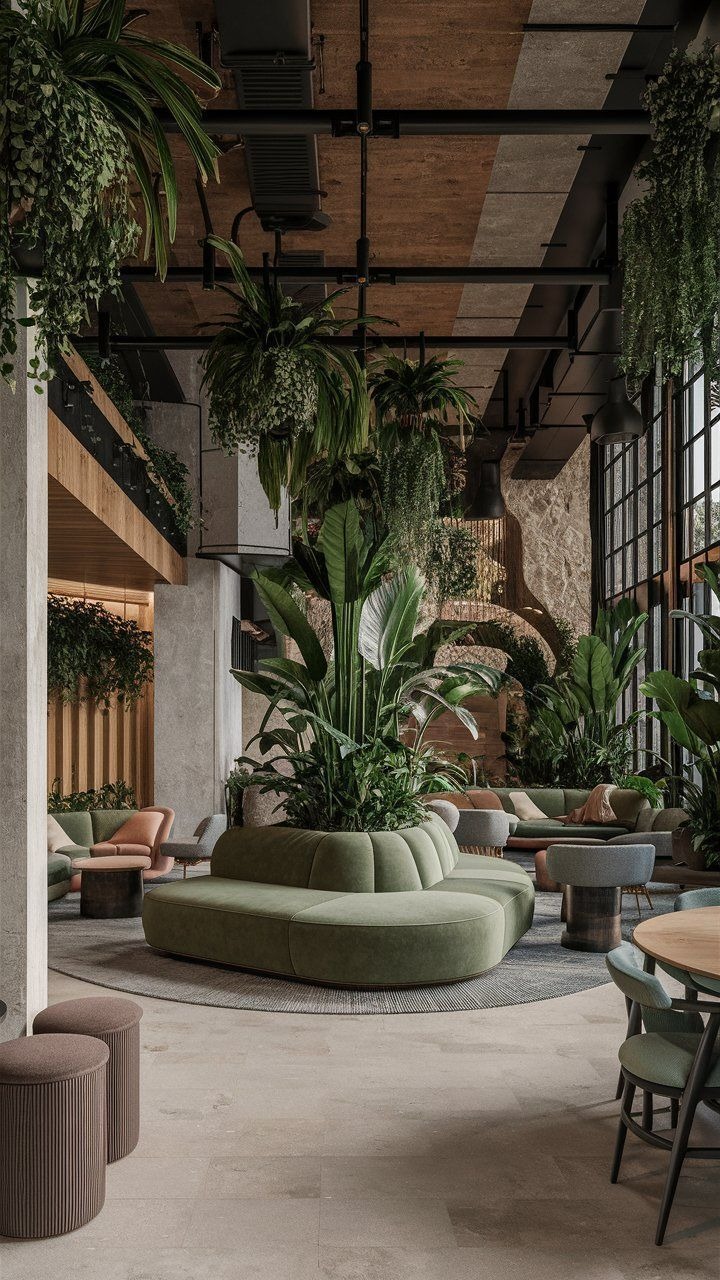
A thoughtfully designed environment has a direct impact on how people feel and function throughout the day.
Interior design can actively support mental well-being by:
Reducing stress and emotional pressure
Enhancing feelings of safety and tranquility
Encouraging focus and creativity in work or study environments
When spaces are designed with intention, users interact with them naturally—without discomfort caused by clutter, poor lighting, or excessive noise.
Putting People at the Center of Design
Traditional design often focuses on appearance or trends. In contrast, human-centered design looks deeper—considering every detail that affects psychological comfort.
From wall colors and furniture layout to natural light and ventilation, each element is carefully studied. The result is a space that does not just look good, but feels right—working in harmony with your mood and emotional needs.
Why It Matters More Than Ever
In today’s fast-paced world, where daily stress is constant, it is no longer enough for a space to be simply neat or visually pleasing.
Modern interior design must:
Balance beauty with functionality
Improve emotional comfort and reduce anxiety
Enhance overall quality of life in both homes and workplaces
Spaces should not just serve a purpose—they should actively support the people within them.
Design That Connects with Everyday Life
Every corner, every color, every beam of light or window placement can influence how you feel.
True interior design begins with people—their well-being, their habits, and their daily experiences—before any material, layout, or furniture choice is made.
Conclusion
At Athena Interior Design, we believe that great design goes beyond aesthetics—it is about creating spaces that enhance everyday living and reflect the people who inhabit them.
True design balances beauty with purpose, and innovation with warmth. Every element should work in harmony to deliver a refined, comfortable, and meaningful experience.
Designing for mental well-being means creating spaces that support comfort, reduce stress, and enhance the way people feel every day.