
Human Factors in Interior Design: Putting People at the Center Smart and Sustainable Homes: The Future of Interior Design
In the world of interior design, it is not spaces alone that make the difference, but how people feel within them. Human Factors Engineering, also known as Ergonomics, plays a crucial role by understanding human capabilities, needs, and how people interact with their surroundings.
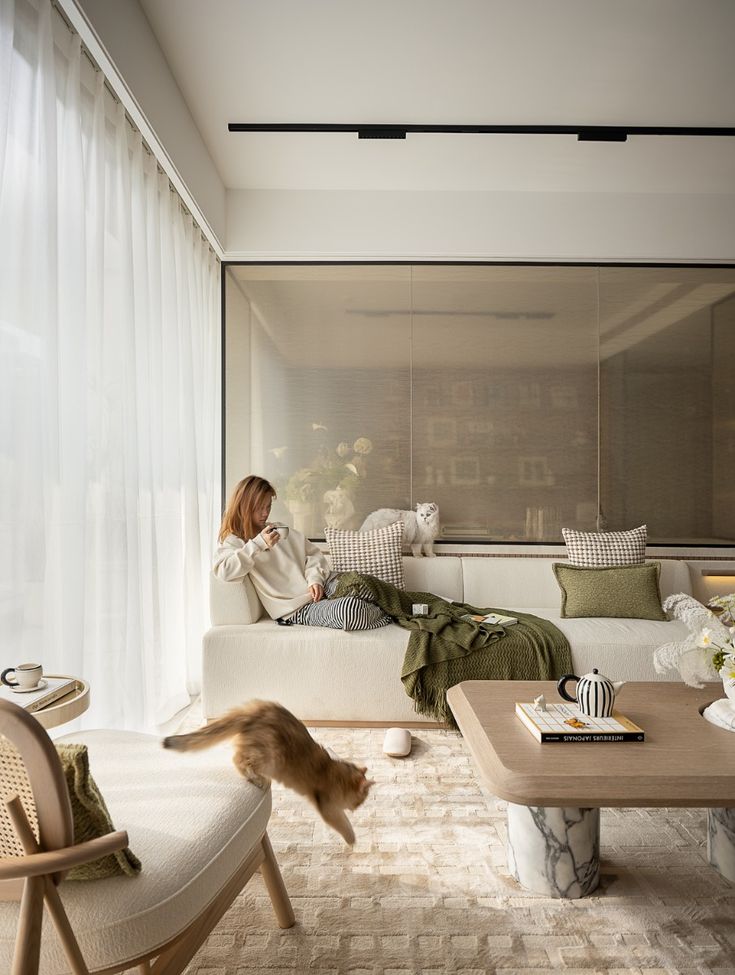
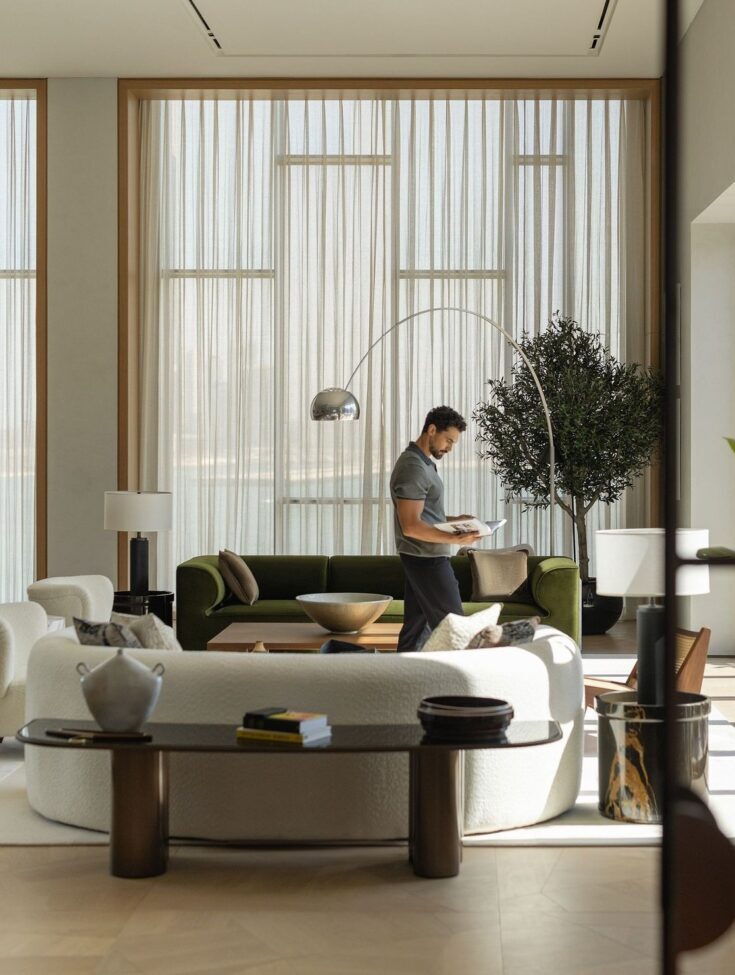
Design That Understands the Human Body and Mind
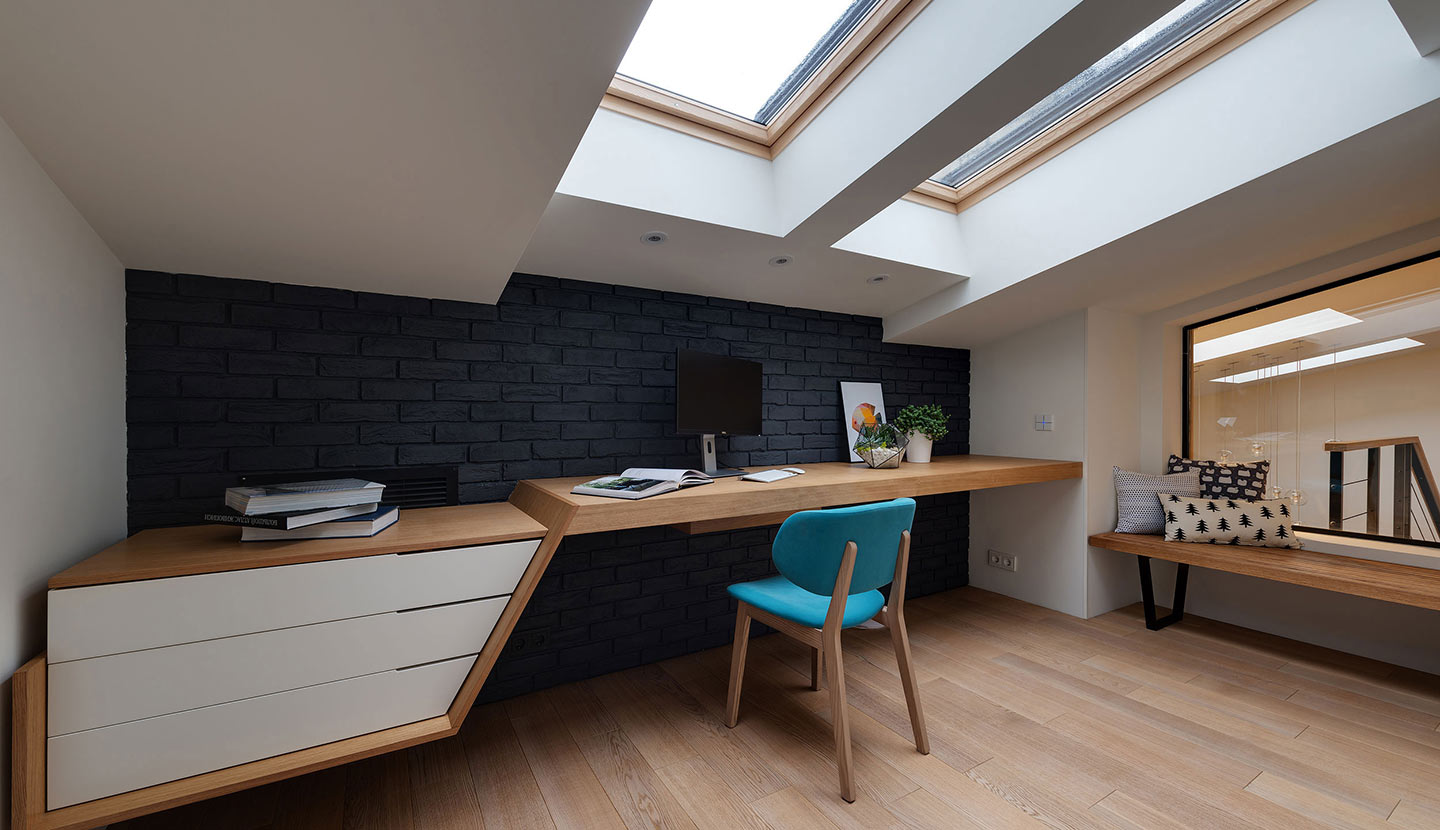
Human factors engineering studies people before it studies spaces. It doesn’t just choose colors or furniture—it analyzes body movement, sitting posture, optimal distances between elements, and ways to reduce strain during use.
Design, therefore, is not only aesthetically pleasing—it becomes healthier, more functional, and comfortable.
Spaces that respect human factors reduce user errors while improving comfort and safety.
From Comfort to Efficiency and Productivity
When a space is designed around human behavior, the impact goes beyond visual appeal. Human factors connect design with:
-
Physical comfort
-
Clarity and ease of use
-
Smooth movement within the space
-
Increased productivity and focus
Smartly designed spaces guide users to interact naturally with their environment rather than forcing them to adapt.
Interior Design That Puts People First
The difference is simple:
-
Traditional design focuses solely on appearance
-
Human-centered design places people at the heart of every decision
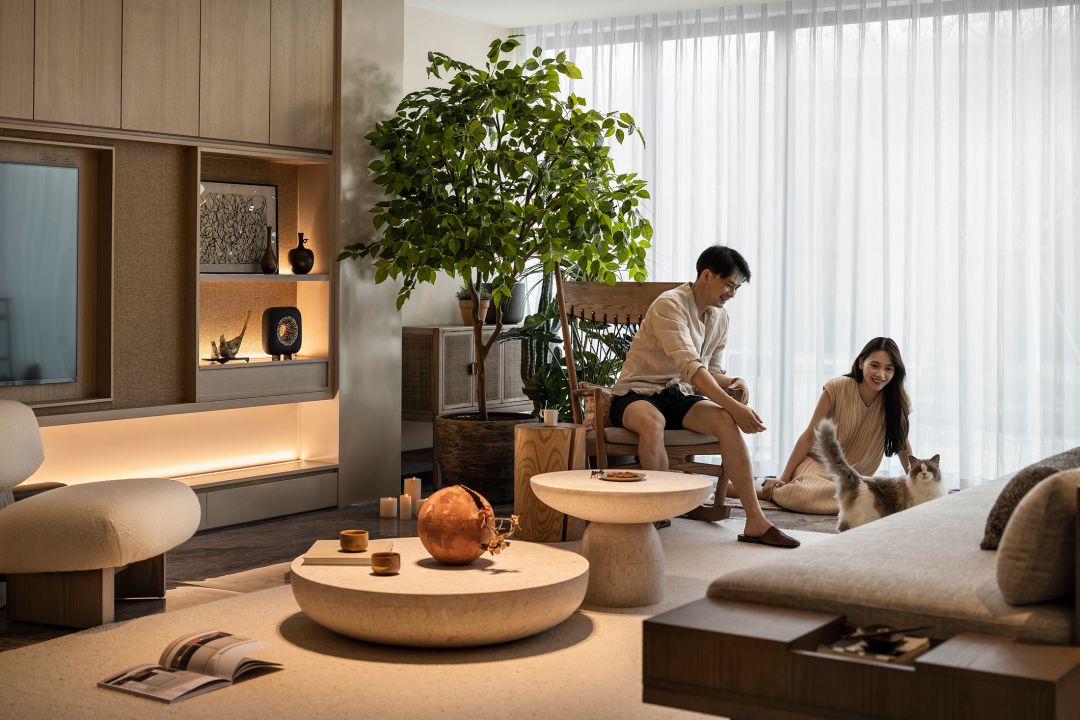
The result? Spaces that are not only beautiful, but intelligently aligned with the needs of both body and mind. Interior design becomes more than a visual concept—it becomes a lived experience that transforms how we interact with our surroundings.
Why This Matters Today More Than Ever
As lifestyles change rapidly, interior designers need to understand not only trends, but human behavior within spaces. Designing with people at the center produces environments that are:
-
Balanced between aesthetics and functionality
-
Less physically demanding and more supportive of well-being
-
Capable of improving quality of life at home or in the office
Conclusion
Human factors engineering transforms interior design from superficial aesthetics into practical solutions that enhance daily human experiences—from how we sit and relax to how we interact with every corner of a space.
At Athena Interior Design, we believe true design begins with people before lines, materials, or forms.
We don’t just design spaces—we create carefully considered environments that balance beauty and functionality while supporting comfort, health, and productivity in every detail.
Because every successful space is one that truly understands the people living within it.